





KIGALI, Rwanda — Women, youth and small and medium-sized enterprises in Rwanda have been urged to take a more active role in the African Continental Free Trade Area, as stakeholders call for policies to translate into practical business opportunities.
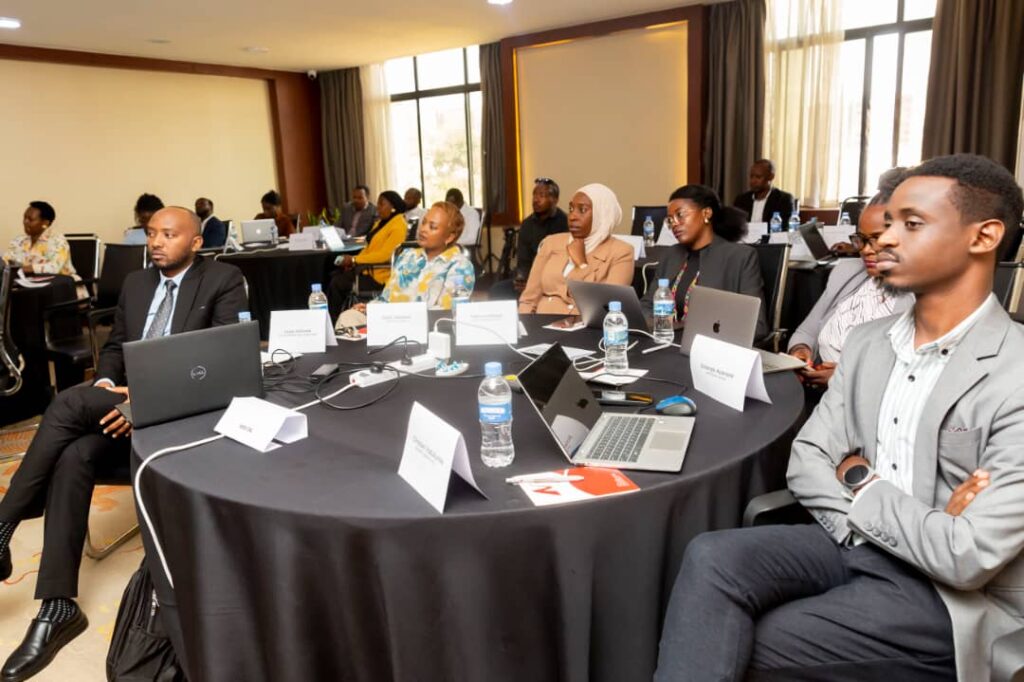
The plea was made Aug. 13 during a workshop at M-Hotel in Kigali, where women and youth entrepreneurs, policymakers, private-sector representatives and service providers discussed ways to overcome barriers and expand participation in trade under the African Continental Free Trade Area.
Doreen Ntawebasa, Director General at the Ministry of Trade and Industry, said Rwanda is committed to creating an environment in which businesses can benefit from continental integration.
“The AfCFTA provides Rwanda with an opportunity to expand trade, promote innovation and create jobs,” Ntawebasa said.
She added that women and young entrepreneurs need the knowledge, skills and tools to participate effectively.
The African Continental Free Trade Area brings together 54 African Union member states into a single market of about 1.4 billion people, with a combined gross domestic product of about $3.4 trillion.
For Rwanda, the agreement is seen as an opportunity to expand trade, attract investment and strengthen competitiveness.
Dr. Odilia Birenam Gnassingbé-Essonam, trade program coordinator at the African Capacity Building Foundation, said the continental market offers significant opportunities for young people.
“The African market is truly a source of growth, and young people have an important opportunity to create jobs and generate wealth,” she said.
Participants identified cross-border payments and currency exchange as major challenges for businesses. Other obstacles included differing regulations and documentation requirements, costly logistics for small shipments, limited awareness of AfCFTA opportunities and complicated procedures for entering new markets.The challenges are particularly important for women and youth.
Workshop background documents say women account for nearly 70% of Rwanda’s informal cross-border traders, while more than 60% of the population is younger than 25.
Christine Byaruhanga Mugisha, an ESAMI-TRAPCA associate, said assessments conducted across 10 African countries identified gaps in businesses’ practical understanding of AfCFTA implementation.
“In Rwanda, the program found that while there is strong interest among SMEs and young entrepreneurs in cross-border trade, many still lack clarity on how to enter regional markets,” Mugisha said.
“Export readiness and access to simplified information on trade procedures remain major constraints for businesses seeking to expand beyond Rwanda. Many entrepreneurs need practical guidance on market requirements, documentation, regulations and the steps involved in accessing new markets under the AfCFTA framework.”
Participants called for stronger export-readiness programs covering market research, rules of origin, market-access requirements and international business practices.
They also recommended expanding digital payment systems such as the Pan-African Payment and Settlement System, or PAPSS, and creating a one-stop mechanism for AfCFTA information and business support.
Stakeholders also urged greater grassroots participation, improved data on women and youth in services trade, and stronger cooperation between government and the private sector to ensure AfCFTA implementation delivers tangible benefits.