






The Global Energy Alliance for People and Planet (Global Energy Alliance), in partnership with Nigeria’s Compact Delivery and Monitoring Unit (CDMU), has launched a digital monitoring platform designed to strengthen the implementation and tracking of Nigeria’s National Energy Compact under Mission 300, the landmark initiative aimed at connecting 300 million people across Africa to electricity by 2030.
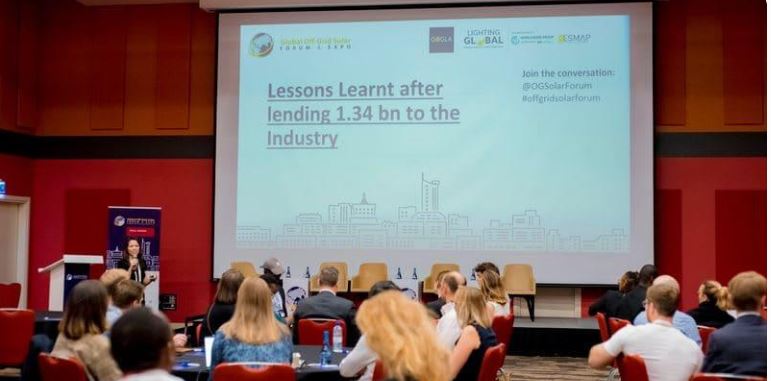
The platform was officially launched on Thursday, 29 October 2026, during the Global Off-Grid Solar Forum and Expo (GOGSFE 2026) in Kigali, Rwanda. Its development and subsequent handover to the Nigerian government mark an important step towards improving the coordination, monitoring and accountability of the country’s energy sector commitments.
The government handover was completed on 31 October 2026.
Strengthening Energy Sector Monitoring Through Digital Innovation
The platform addresses a common challenge facing governments implementing national energy commitments: energy sector data is often distributed across multiple institutions, maintained in different formats and reported according to varying schedules. This fragmentation can make it difficult to obtain a comprehensive picture of progress and measure performance against national targets.
To address this challenge, the new platform consolidates data from key Nigerian government institutions, including the Nigerian Electricity Regulatory Commission (NERC), the Rural Electrification Agency (REA), the Nigerian Independent System Operator (NISO) and the Federal Ministry of Finance, into a centralized digital system.
The platform enables the Nigerian government to track progress against National Energy Compact targets and commitments in one central location, to link priority programs and projects to specific national energy targets, to generate standardized progress reports automatically, as well as to verify data sources and reporting periods to strengthen transparency and reliability.
Its indicators are aligned with Mission 300’s Monitoring, Reporting and Learning guidance, with the indicator logic reviewed by Sustainable Energy for All (SEforALL). The platform was developed by Energy Market and Rates Consultants (EMRC) in partnership with the Global Energy Alliance and Nigeria’s CDMU.
Supporting Nigeria’s Mission 300 Commitments
Mission 300 is a landmark African electrification initiative led by the World Bank Group and the African Development Bank Group, with support from the Global Energy Alliance, The Rockefeller Foundation and Sustainable Energy for All.
The initiative seeks to connect 300 million people across Africa to electricity by 2030, helping expand energy access, improve livelihoods and create opportunities for economic growth.
As part of its contribution, the Global Energy Alliance supports participating governments in translating their National Energy Compacts into practical, measurable action.
This includes mobilizing investment from development partners, philanthropic organizations and the private sector; supporting energy sector reforms; strengthening Compact Delivery and Monitoring Units; and helping governments coordinate implementation, monitor progress and improve accountability.
The Nigeria Compact Monitoring Platform is an example of this support in action, providing the country’s CDMU with a centralized tool to oversee implementation and identify areas requiring additional attention, investment or technical support.
Why the Platform Matters for Nigeria
The introduction of the monitoring platform is expected to improve how Nigeria coordinates and tracks its energy sector priorities.
By bringing information from multiple government institutions into one system, the platform gives the CDMU greater visibility of implementation progress and helps strengthen collaboration among the agencies responsible for delivering the National Energy Compact.
Its key benefits include:
Improved coordination: Consolidates information from different government institutions, making it easier to monitor programs and align implementation efforts.
Greater accountability: Provides the CDMU with improved visibility of progress against national energy commitments and targets.
More informed decision-making: Helps government identify implementation gaps, assess performance and determine where further investment or support may be required.
Greater operational efficiency: Automates routine reporting processes, reducing administrative workloads and improving access to timely information.
Ultimately, improved monitoring and coordination will help ensure that Nigeria’s commitments to expanding electricity access translate into measurable outcomes for businesses, households, communities and the wider economy.
An Open-Source Solution with Potential Across Africa
Beyond its immediate benefits for Nigeria, the platform has been designed with the potential for wider adoption across Mission 300 participating countries.
Its source code will be made publicly available, enabling other governments to adopt and adapt the existing technology to meet their national monitoring and reporting requirements rather than investing in the development of entirely new software systems.
The open-source approach presents several important opportunities:
- Lower development costs: Governments can reduce the financial resources required to build monitoring platforms from scratch.
- Faster implementation: Countries can adapt an existing solution to their specific institutional and operational needs, potentially accelerating deployment.
- Consistent reporting: A standardized framework aligned with Mission 300 monitoring guidance can strengthen the consistency of progress tracking and reporting across countries.
- Shared learning: Improvements and innovations introduced by one country can benefit other governments adopting the platform.
Importantly, making the source code publicly available does not mean making government data public. Each country’s data will remain private and under the control of its respective government, with access managed through government-defined permissions.
This approach combines the benefits of shared technology with national ownership and control of sensitive information.
The Global Energy Alliance’s Role in Mission 300
The Global Energy Alliance for People and Planet is a global partnership established in 2021 by The Rockefeller Foundation, IKEA Foundation and Bezos Earth Fund.
The Alliance brings together governments, businesses, investors and philanthropic organizations to accelerate access to affordable, reliable and clean electricity while unlocking economic opportunities for people and communities.
Its work focuses on mobilizing public and private investment in clean energy, supporting governments to strengthen energy systems and implement sector reforms, accelerating electricity access projects, and ensuring that improved energy access contributes to jobs, livelihoods and sustainable economic growth.
Within Mission 300, the Global Energy Alliance plays an important role in supporting governments to move from national commitments to implementation. It supports Compact Delivery and Monitoring Units in 15 countries, helping strengthen institutional capacity, coordinate stakeholders and improve the monitoring of national energy priorities.
In March 2026, the Global Energy Alliance and The Rockefeller Foundation also announced more than US$100 million in commitments towards Mission 300, reinforcing their support for the initiative’s ambition to expand electricity access across Africa.
Advancing the Mission 300 Vision
The launch and handover of Nigeria’s Compact Monitoring Platform represent an important contribution to strengthening the systems required to deliver Mission 300.
By improving access to reliable information, supporting coordinated implementation and strengthening accountability, the platform provides Nigeria with an important digital tool for monitoring progress towards its national energy commitments.
Its potential adoption by other participating countries also demonstrates how shared technology and regional collaboration can help accelerate the delivery of Africa’s electrification ambitions.
As Mission 300 continues to advance, effective monitoring, strong institutional coordination and sustained investment will remain essential to ensuring that national energy commitments translate into real improvements in people’s lives.
About the Global Energy Alliance for People and Planet
The Global Energy Alliance for People and Planet is a global partnership founded in 2021 by The Rockefeller Foundation, IKEA Foundation and Bezos Earth Fund. It works with governments, businesses, investors and philanthropic organizations to accelerate access to affordable, reliable and clean electricity and unlock economic opportunities, particularly in emerging markets.
About Mission 300
Mission 300 is an African electrification initiative led by the World Bank Group and the African Development Bank Group, with support from the Global Energy Alliance, The Rockefeller Foundation and Sustainable Energy for All. It aims to connect 300 million people across Africa to electricity by 2030.