



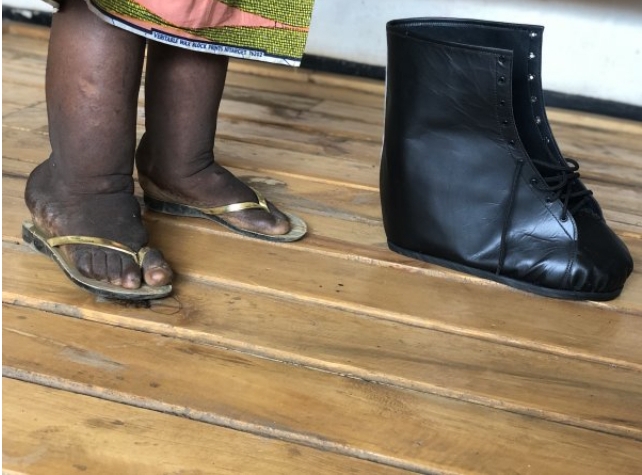
Podoconiosis, also known as non-filarial elephantiasis, is a chronic disease that primarily affects the feet and lower legs. It develops when people with a genetic susceptibility are exposed over many years to certain types of mineral-rich soil while walking barefoot.
Although the disease is not contagious, it can cause severe pain, disability, and significant social and economic hardship if left untreated.
Who Is Most at Risk?
Health professionals explain that people who regularly walk barefoot on high-risk soils are the most vulnerable to developing podoconiosis.
Poor foot hygiene further increases the risk, making prevention through simple daily practices essential.
Early Warning Signs
The disease often begins with subtle symptoms that gradually worsen if ignored.
Early signs include: Itching of the feet, Swelling of the feet and lower legs, Small bumps on the skin, Thickened skin, Severe calluses, Nodules, Toe deformities and Foot sores or ulcers.
Seeking medical attention as soon as these symptoms appear can help prevent the disease from progressing.
Impact on Health and Daily Life
Podoconiosis can make it difficult for affected individuals to walk, work, or carry out everyday activities. In advanced stages, it may lead to permanent disability, reduced household income, and emotional challenges such as shame, social isolation, and depression.
Despite these serious consequences, it is important to remember that podoconiosis cannot be transmitted from one person to another.
How Can Podoconiosis Be Prevented?
The disease can largely be prevented through consistent foot protection and proper hygiene.
Health experts recommend:
-Wearing shoes at all times, especially protective boots for people working in fields or other high-risk environments.
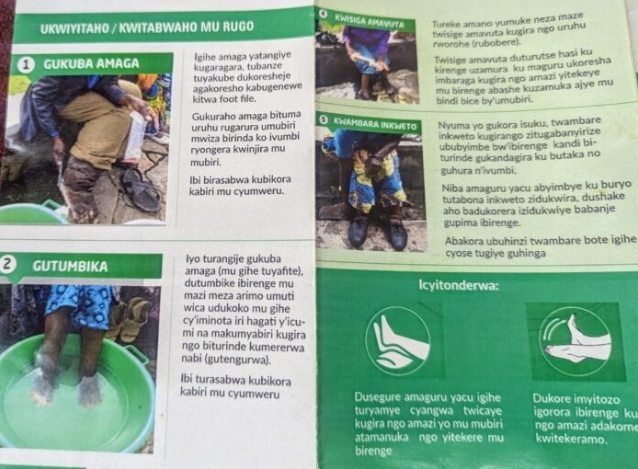
-Washing feet at least twice a day with clean water and soap, paying special attention to cleaning between the toes.
-Reducing direct contact with soil at home by using cement floors or floor mats where possible.
-Drying feet thoroughly after washing and applying moisturising cream or oil to keep the skin healthy and protected.
-People with thick calluses should carefully remove them using a suitable foot file. They are also advised to soak their feet in clean water mixed with an antiseptic for 10 to 20 minutes, twice a week, as recommended by healthcare professionals.
Effective Treatment Is Available
Anyone experiencing symptoms of podoconiosis should visit the nearest health centre as soon as possible for diagnosis, appropriate treatment, and medical advice.
Following the guidance of healthcare professionals is essential for successful treatment and recovery. For assistance, individuals can also call the free helpline 114.
Ending Stigma and Supporting Patients
Families, neighbours, and communities are encouraged to support people living with podoconiosis without discrimination or exclusion. Because the disease is not contagious, there is no reason to isolate or stigmatise those affected.
Community health workers also play a vital role by raising awareness, identifying people with early symptoms, referring them promptly to health facilities, and supporting them throughout their treatment.
A Preventable and Treatable Disease
Podoconiosis is both preventable and treatable.
Wearing shoes consistently, maintaining good foot hygiene, and seeking medical care at the first signs of the disease are the most effective ways to prevent complications and improve the quality of life of those affected.
With greater awareness, early intervention, and community support, podoconiosis can be successfully controlled and its impact significantly reduced.