





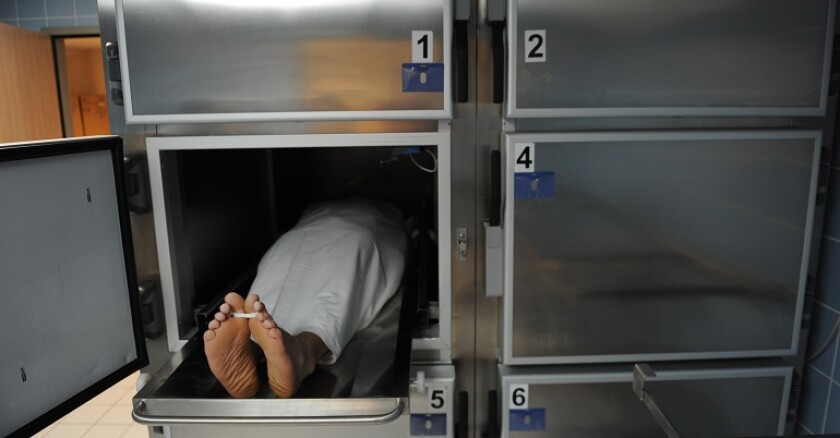
The National Institute of Statistics of Rwanda (NISR) has announced that non-communicable diseases are now the leading cause of death among Rwandans.
According to the institution’s report published last year, the Rwanda Vital Statistics Report 2025, non-communicable diseases such as heart disease, diabetes, and cancer accounted for 49.5% of all deaths recorded in health facilities across Rwanda in 2025.
NISR data show that between 2019 and 2025, deaths caused by communicable diseases declined significantly, dropping from 70% in 2019 to 40% in 2025.
During the same period (2019–2025), deaths from non-communicable diseases increased from 27.9% to nearly half of all deaths.
These figures indicate a major shift in Rwanda’s health landscape, where the country has made progress in reducing communicable diseases such as malaria, tuberculosis, and HIV/AIDS, while diseases linked to lifestyle and nutrition have continued to rise.
Health experts say the increase in non-communicable diseases is mainly driven by lifestyle factors, including the consumption of foods high in fats and sugar, lack of physical exercise, alcohol and tobacco use, as well as chronic stress.
NISR also reports that deaths resulting from accidents and injuries have been gradually increasing, rising from 2.1% in 2019 to 10.5% in 2025.
How to prevent non-communicable diseases (NCDs)
You can prevent non-communicable diseases (NCDs) like heart disease, diabetes, cancer, and chronic lung illnesses primarily by modifying four key lifestyle behaviors: eating a healthy diet, engaging in regular physical activity, avoiding tobacco, and limiting alcohol consumption.
According to organizations like the World Health Organization (WHO), eliminating these shared, modifiable risk factors can drastically lower your chances of developing chronic conditions.
1. Maintain a Healthy Diet
What you eat directly impacts your metabolic health, blood pressure, and cholesterol levels.
- Reduce sodium: Keep salt intake low to prevent hypertension and stroke.
- Cut added sugars: Limit sweetened beverages and ultra-processed foods to prevent type 2 diabetes and obesity.
- Eat more plants: Fill your plate with whole grains, fruits, vegetables, legumes, and nuts.
- Choose healthy fats: Replace saturated and trans fats with unsaturated oils like olive or sunflower oil.
2. Stay Physically Active
Regular exercise helps manage body weight, improves cardiovascular health, and reduces stress.
- Meet weekly targets: Aim for at least 150 to 300 minutes of moderate-intensity aerobic exercise (like brisk walking) each week.
- Incorporate strength training: Do muscle-strengthening activities at least two days a week.
- Break up sedentary time: Stand up, stretch, or walk around for a few minutes after every hour of sitting.
3. Avoid Tobacco Products
Tobacco use is a leading cause of preventable deaths globally and directly damages your cardiovascular and respiratory systems.
- Quit smoking: Stopping tobacco use immediately begins to repair your lungs and blood vessels.
- Avoid second-hand smoke: Evade environments where you breathe in residual commercial smoke.
- Say no to alternative tobacco: Steer clear of e-cigarettes and smokeless tobacco, which still carry health risks.
4. Limit Alcohol Intake
There is no entirely safe level of alcohol consumption when it comes to preventing chronic illnesses.
- Practice moderation: If you choose to drink, limit intake to a maximum of one drink per day for women and two for men.
- Understand the risks: Remember that alcohol is directly linked to liver cirrhosis, cardiovascular complications, and multiple cancers.
5. Get Regular Medical Screenings
Early detection allows you to manage minor biological changes before they turn into full-blown chronic diseases.
- Track your numbers: Visit a general practitioner regularly to monitor your blood pressure, blood glucose, and lipid/cholesterol levels.
- Manage your weight: Keep track of your Body Mass Index (BMI) or waist circumference to keep obesity-related risks in check.
- Stay up to date: Follow age-appropriate cancer screening guidelines (such as mammograms or colonoscopies) as recommended by medical professionals.