




By Jean Christian IHIRWE
Gatsibo, Eastern Rwanda
Under the scorching sun, 24-year-old Aline Uwase inspects pheromone traps glinting across a maize field. On her phone, the FAW Monitoring and Early Warning System (FAMEWS) app—launched by FAO in Rwanda in 2018—pings with real-time pest alerts from farmers and trap data across Gatsibo.
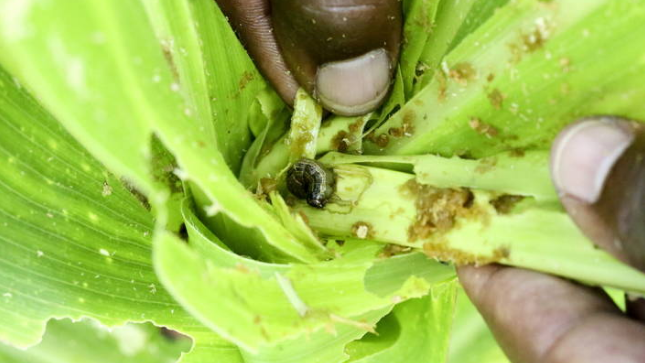
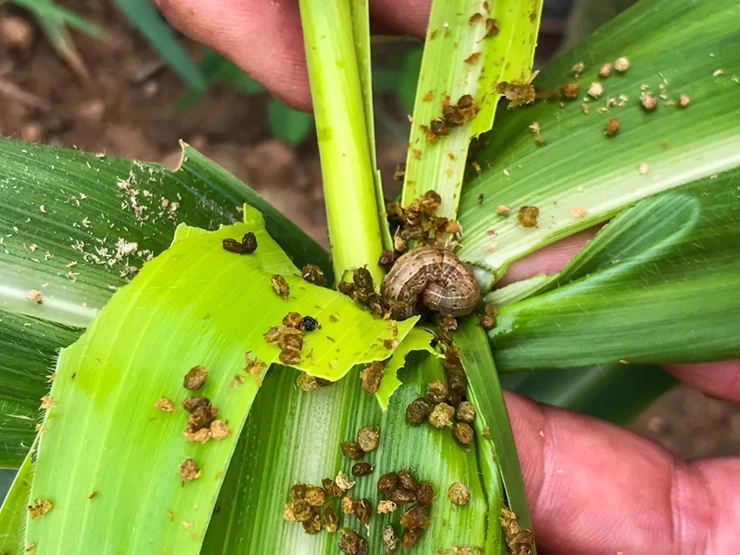
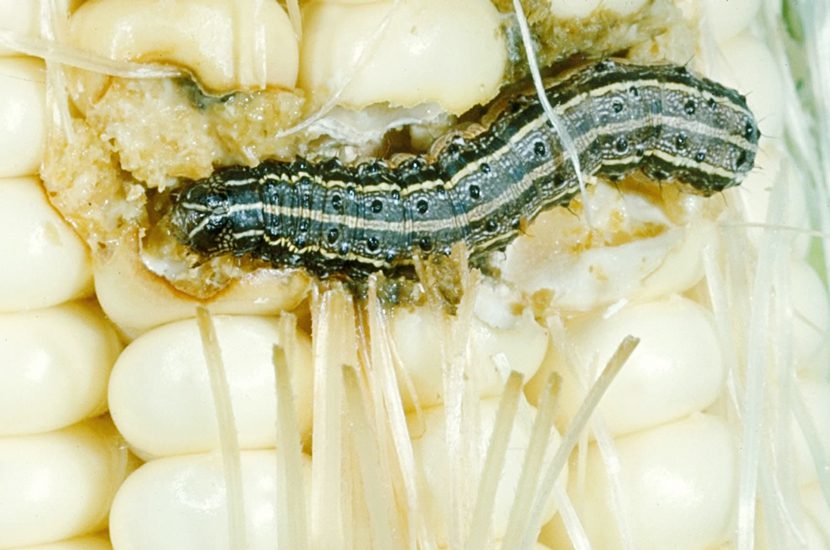
Since FAW’s first detection in Rwanda in 2017, national studies estimate yield losses up to 40–65% on untreated maize. In response, Rwanda’s Ministry of Agriculture, FAO, and CABI introduced pheromone traps, FAMEWS, and SMS/radio campaigns, boosting farmer knowledge by 23 percentage points (CABI, 2021).
Now, Rwanda is piloting biotech maize varieties resistant to FAW and drought in Nyagatare and Huye under the 2024 Biosafety Law, while Aline’s youth-led hub integrates trap data, farmer reports, and drone surveillance to trigger rapid extension support before infestations spread.
“Digital tools plus resistant seeds could cut FAW losses by more than half,” says Dr. Charles Bucagu, RAB Deputy DG for Agriculture Research and Technology Transfer.
By merging science, youth innovation, and transparent communication, Rwanda is building a model for climate-smart, pest-resilient maize production—transforming a once-devastating pest into a story of technology-driven hope.