




Rwanda has launched a new program to provide an injectable HIV prevention drug every two months, with health authorities confirming that the initiative is still in its pilot phase but is expected to be rolled out nationwide in the coming months.
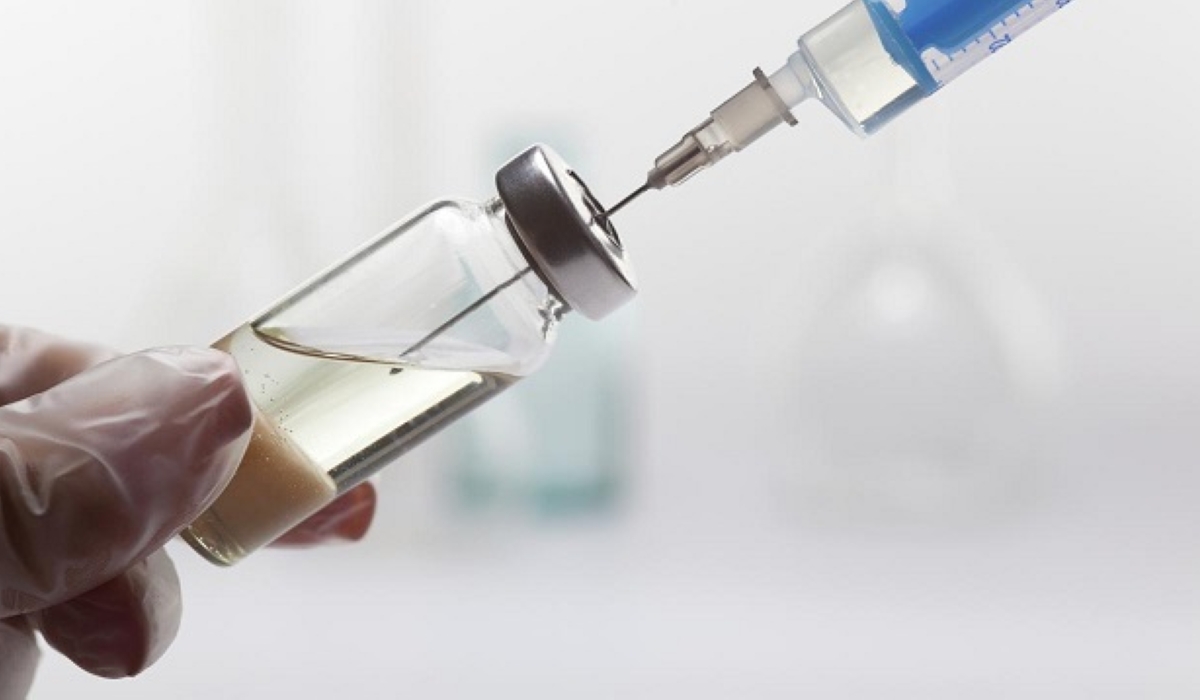
The drug, known as CAB-LA, is administered as a single injection once every two months. It is designed to help people at high risk of contracting HIV by preventing new infections. Once injected, the drug helps the body build immunity that blocks the virus from entering cells and reproducing.
The program began in January 2025, but for now, the injections are only available at Busanza and Gikondo health centers in Kigali’s Kicukiro District. Plans are underway to expand access to other parts of the country after an ongoing evaluation is completed.
According to Dr. Nzeyimana Zephanie of the Rwanda Biomedical Centre (RBC), the assessment will last one year and aims to review service delivery, monitor any possible side effects, and refine the program before it is scaled up nationwide.
“We are still in the trial phase. We have people receiving the injection, and evidence shows that 90% of them are satisfied, saying it is easier to take an injection every two months than to take pills daily,” said Dr. Nzeyimana.
As of June 30, 2025, more than 15,500 people in Rwanda had started using PrEP (Pre-Exposure Prophylaxis), medication taken by people who are HIV-negative to prevent infection.
While in other countries some users have reported side effects such as high fever, headaches, or diarrhea, in Rwanda most CAB-LA recipients report only mild pain at the injection site, which typically subsides within a few days. Health professionals recommend taking pain relievers like paracetamol or ibuprofen if discomfort occurs.
The Ministry of Health has announced that the ultimate goal is for CAB-LA services to be available in health facilities across the country, ensuring that everyone who wishes to prevent HIV can access a safe and convenient option.