


By Rachid Bugirimfura
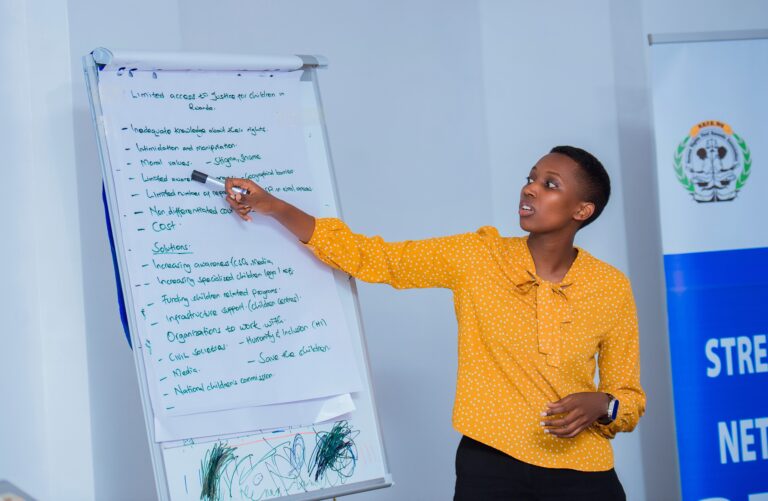
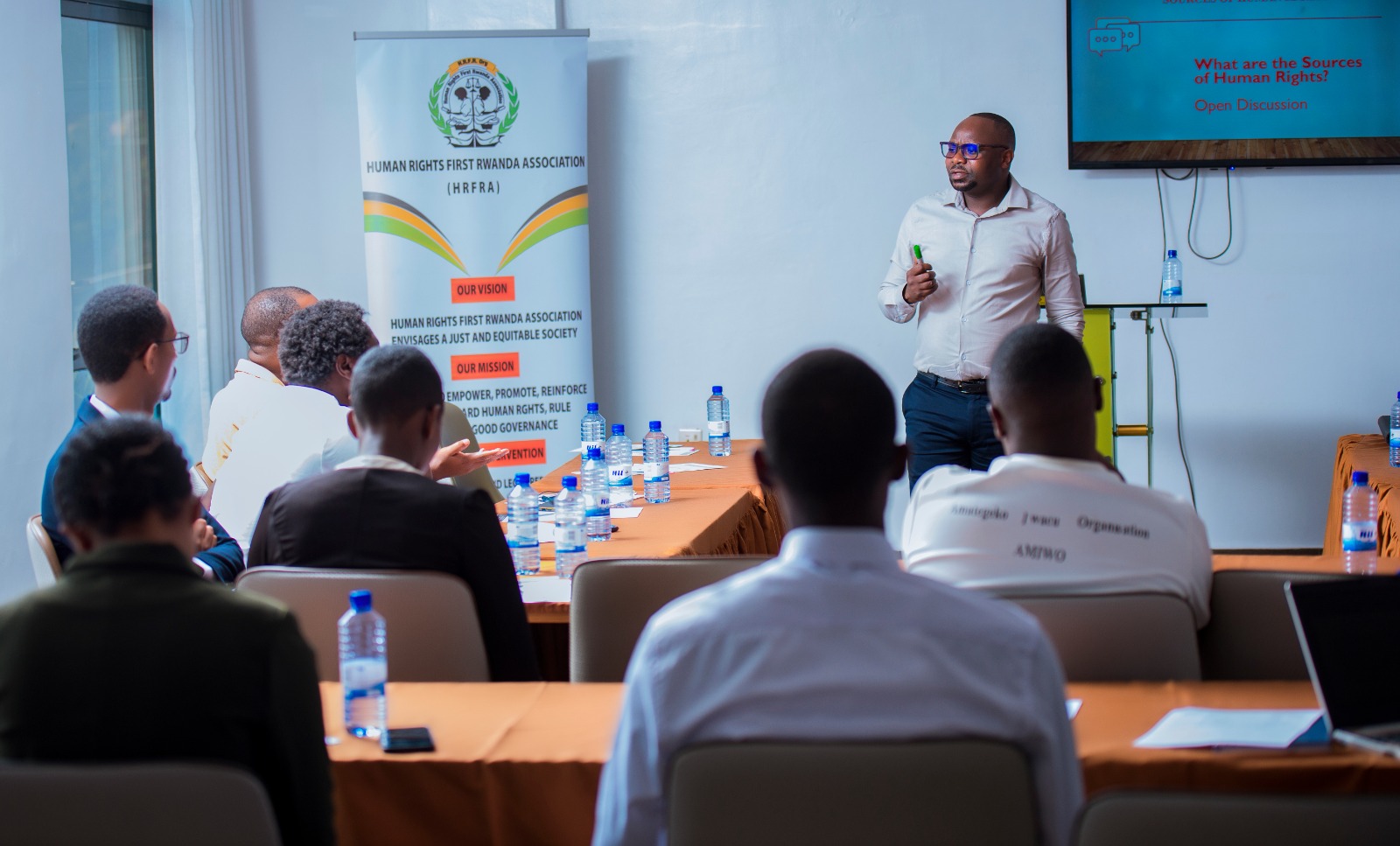
The Human Rights First Rwanda Association (HRFRA) has convened journalists, human rights defenders, and civil society organizations (CSOs) for a two-day workshop aimed at reinforcing their collective responsibility in advocating for and supporting vulnerable and marginalized communities.
The workshop focused on groups that face unique systemic barriers, including children, persons with disabilities, refugees, the elderly, and the rural poor—many of whom are often excluded due to their social status or limited financial means.
A participant representing GLIRD emphasized the importance of continuous learning in a rapidly evolving global human rights landscape.
“This training is vital because it challenges us as human rights defenders to stay proactive. It reminds us to engage directly with citizens and educate them on their rights,” they noted.
They further highlighted that many citizens remain unaware that legal aid is a fundamental right, stressing that advocacy must begin as early as the interrogation stage at the Rwanda Investigation Bureau (RIB) to ensure everyone has legal representation.
Alex Ngarambe, a journalist with The East African, shared how the training has reshaped his approach to storytelling.
“I’ve realized the importance of centering these individuals in my reporting. As someone who primarily covers macro-economics and large corporations, this knowledge helps me bridge the gap between economic trends and the lived realities of the vulnerable, ensuring their challenges reach decision-makers,” Ngarambe said.
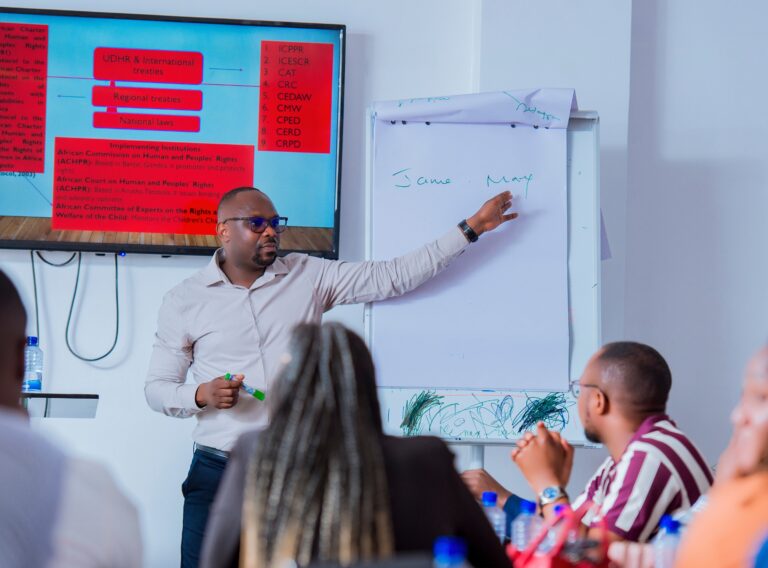
Rogers Amutwendize, a facilitator at the workshop, urged media and CSOs to mainstream the needs of the vulnerable into their daily operations.
“We call upon journalists to produce inclusive stories that promote the rights of the underprivileged, prompting authorities to take protective action. Similarly, we urge civil society to integrate specific human rights protections for vulnerable and marginalized people into all their projects,” he stated.
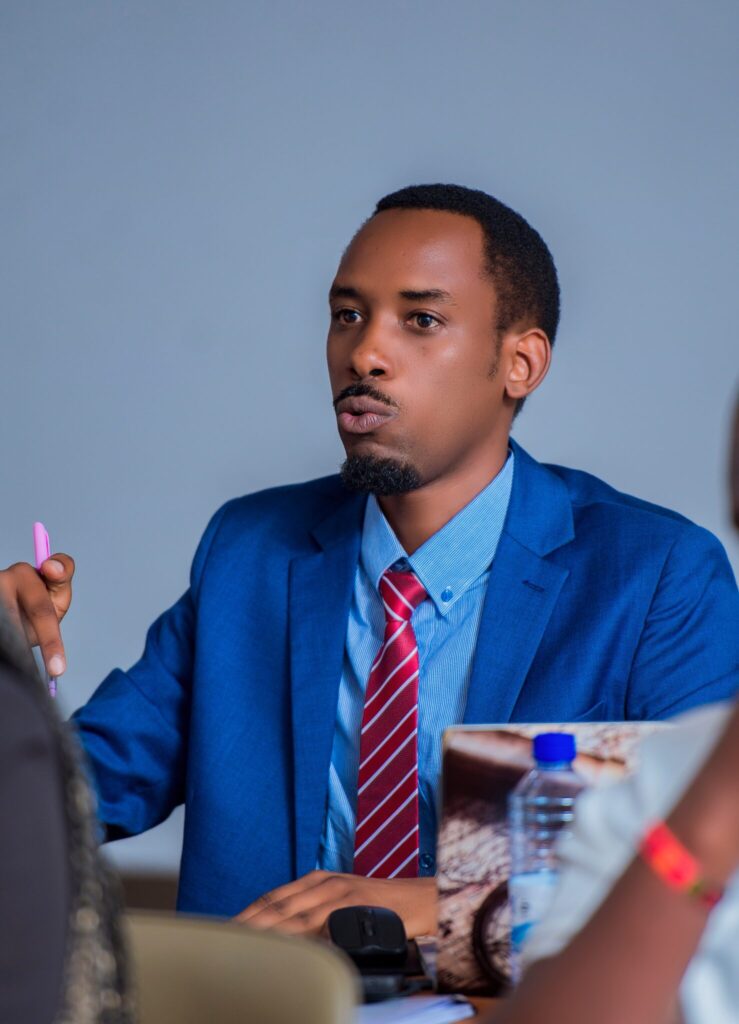
Me Musangwa Jonathan, the Executive Director of Human Rights First Rwanda, underscored that protecting the rights of the marginalized is not a solitary task but requires a multi-sectoral approach.
“The protection of human rights especially for vulnerable and marginalized communities requires more than isolated efforts. It demands strong coordination, collaboration, and mutual understanding among key actors, including legal practitioners, journalists, civil society organizations, and human rights defenders.”
He further elaborated on the risks of fragmented efforts, noting that legal actors may fail if they ignore the media or ignore community-based evidence. Conversely, journalists may lack the necessary legal context for their reports, and CSOs may struggle to translate grassroots data into effective policy or legal advocacy.
“Ultimately, these gaps limit our collective impact,” Me Musangwa concluded.
HRFRA is a legally recognized non-governmental organization dedicated to the promotion, reinforcement, and protection of human rights and good governance in Rwanda.