


Rwanda’s remarkable recovery from the 1994 genocide against the Tutsi was praised Tuesday by United Nations and Rwandan officials, even as they warned that extremist groups and genocide ideology continue to pose threats in the Great Lakes region.
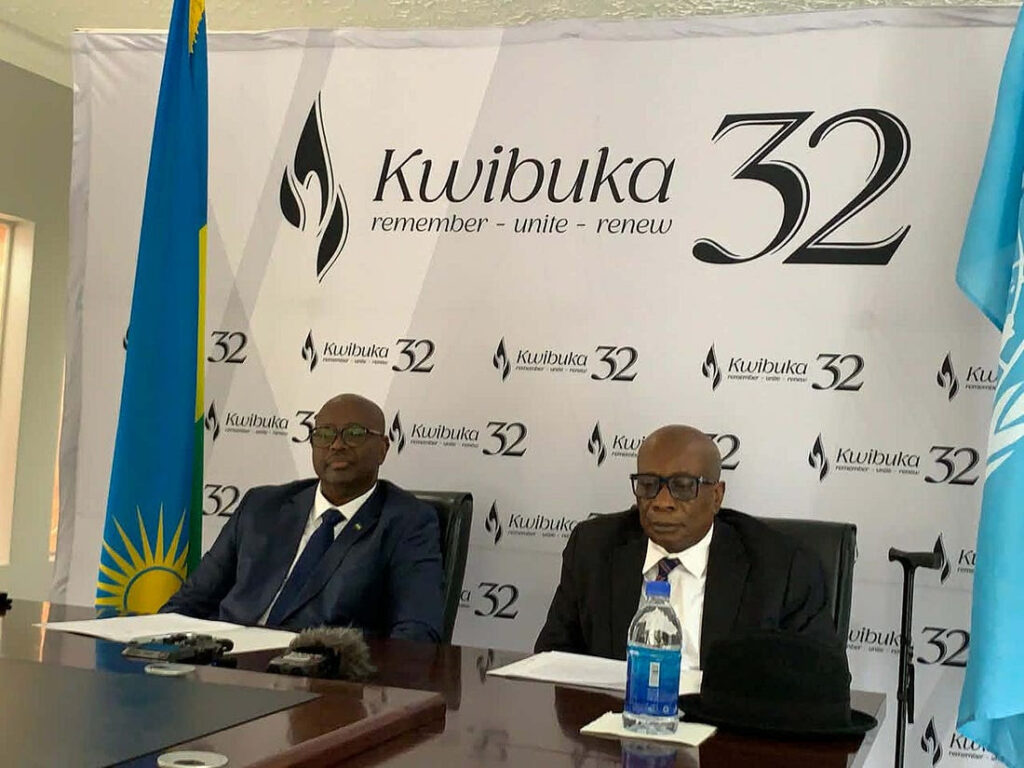
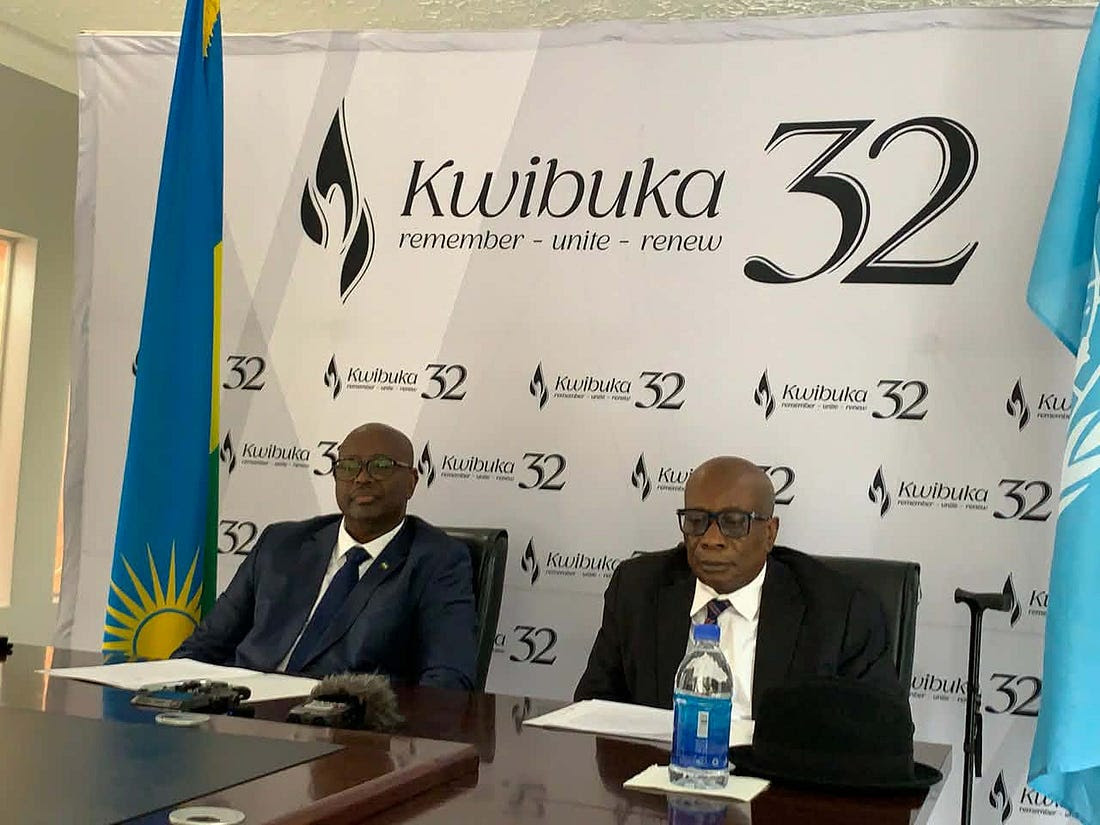
Edward Kallon, U.N. resident and humanitarian coordinator in Zimbabwe, called Rwanda’s transformation “a case study in state-led reconstruction,” but cautioned that the underlying drivers of instability have not been fully eliminated.
“Genocide ideology, denial and extremism persist, particularly within the Great Lakes region,” Kallon said, noting that such narratives are increasingly spread through digital networks, extending beyond traditional conflict zones.
Rwanda’s post-genocide recovery followed near-total institutional collapse, mass displacement and deep social fragmentation after more than one million people were killed in roughly 100 days. Kallon said progress has been driven by deliberate policies centered on unity and reconciliation, including reintegration of former adversaries into national structures.
However, he warned that continued instability in eastern Democratic Republic of Congo, where the Democratic Forces for the Liberation of Rwanda (FDLR) remain active, threatens to erode those gains by fueling insecurity and displacement across the region.
James Musoni, Rwanda’s ambassador to Zimbabwe, urged the international community to take decisive action. He said ignoring armed groups and extremist narratives amounts to tacit complicity.
“The FDLR continues to destabilize communities in eastern Congo, while hate speech and genocide denial proliferate online,” Musoni said. He also cited attacks against Congolese Tutsi communities, including the Banyamulenge, as a warning of the consequences of inaction.
The KWIBUKA32 commemorations, scheduled for April 7 in Harare, will bring together diplomats, business leaders and members of the Rwandan diaspora. Kallon said the event carries a dual purpose: remembrance and prevention.
He outlined three pillars — “remember, unite and renew” — calling for renewed investment in inclusive governance, stronger institutions and coordinated efforts to counter hate speech and extremist ideologies.
Musoni credited President Paul Kagame and the Rwanda Patriotic Front with ending the genocide and laying the foundation for national recovery, while tracing the origins of the violence to colonial-era policies that institutionalized ethnic divisions.
More than three decades later, officials framed the anniversary as both a solemn moment of remembrance and a test of the international community’s commitment to preventing mass atrocities.