



By: Jean Christian IHIRWE
Rwanda has taken a major step toward evidence-based biotechnology with the 2024 Biosafety Law, laying the groundwork for assessing and—where safe and beneficial—adopting genetically modified crops. For many nutritionists and agricultural scientists, one promising horizon is vitamin A–enhanced (“biofortified”) bananas, a technology being advanced in the region that could one day complement Rwanda’s ongoing nutrition strategies.
Why vitamin A matters
Vitamin A deficiency (VAD) impairs immunity and, in severe cases, can cause night blindness in children. Evidence from multiple countries shows that food-based approaches (like eating vitamin A–rich crops) sustainably improve children’s vitamin A status and reduce illness. In sub-Saharan Africa, orange-fleshed sweet potato (OFSP) has repeatedly improved vitamin A status when promoted at scale—an approach already used in Rwanda alongside supplements and fortification.
Where Rwanda stands today
Rwanda’s current biofortification successes are conventional (non-GMO) crops: OFSP and biofortified beans (notably high-iron beans). By 2021, about one in five beans in Rwanda were biofortified, contributing to better micronutrient intake. These efforts sit within broader government nutrition and agriculture programs and have been supported by research organizations working with MINAGRI/RAB.
The banana question
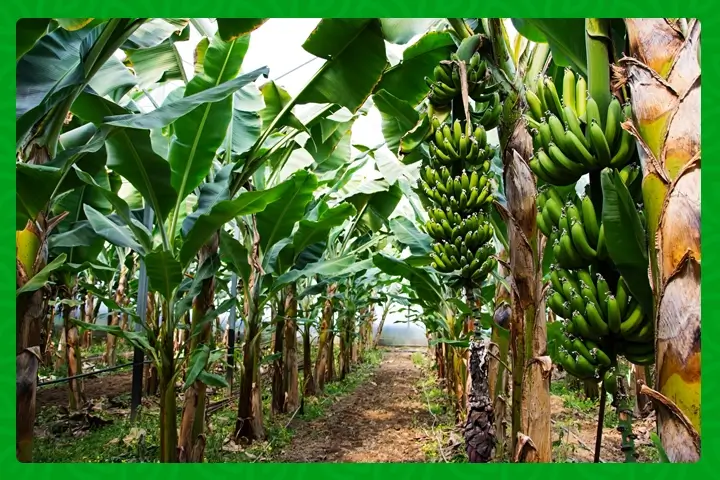
Bananas are central to Rwandan diets and rural livelihoods, and RAB manages a national collection of 117 banana varieties for breeding and farmer use. However, vitamin A–enhanced bananas developed via genetic engineering are not yet approved or grown in Rwanda. The most advanced regional work (the Banana21 program) is centered in Uganda, where confined field trials of pro-vitamin A bananas have been conducted for years to evaluate safety, agronomic performance, and nutritional gains. Rwanda’s new biosafety framework creates a pathway for evidence-based evaluation should such technologies be proposed here.
Myths vs. science
Common myths—that “GMOs cause infertility” or “change human DNA”—are not supported by scientific risk assessments. Rwanda’s Biosafety Law (February 21, 2024) exists precisely to evaluate risks case-by-case, ensure traceability, and protect people and biodiversity. Across Africa, public engagement by farmer groups, scientists, and communicators (including OFAB Rwanda partners) continues to address misinformation with plain-language explanations of how traits are developed, tested, and monitored.
What the evidence says (so far)
- Vitamin A bananas (regional trials): Peer-reviewed and program reports from East Africa show it is technically feasible to raise pro-vitamin A (PVA) carotenoids in bananas; Uganda has conducted confined field trials of PVA-rich lines to assess agronomic performance and nutrition potential. Commercial release requires each country’s independent regulatory decisions.
- Rwanda’s nutrition baseline: Recent reviews underline gaps in micronutrient data by life stage but highlight ongoing programs addressing deficiencies. Anemia in young children remains high, underscoring the value of diversified, nutrient-dense diets and proven biofortified crops.
- What’s working now: Rwanda has scaled OFSP and biofortified beans, both backed by strong evidence of health impact; these can continue reducing deficiency risks while any banana biofortification options undergo proper national review.
If Rwanda pilots vitamin A bananas, what could change?
Should Rwanda evaluate and later approve PVA bananas after full safety and socio-economic assessments, potential benefits include:
- Nutrition: year-round access to a familiar staple carrying more provitamin A—especially relevant in banana-dependent rural diets.
- Adoption potential: bananas fit existing farmer practices; pairing new varieties with extension and myth-busting communication improves uptake, as seen with other biofortified crops.
- Complementarity: PVA bananas would add to, not replace, OFSP, beans, fortification, and supplementation—building a diversified nutrition safety net.